Picking between dry van, reefer and team is not just about the trailer. It changes how you plan your week, how you sleep, what you check before you roll and who sits in the passenger seat.
Freight Way Logistics has three owner operator openings: dry van, reefer, and team (dry van or reefer). Here is a plain look at what each one is like day to day, and who it tends to suit.
Before you compare: what all three have in common
All three openings are for owner operators, so you bring your own power unit. The offer calls for a Class A CDL, ownership or lease of a semi-truck, and a minimum amount of experience. Check each job page for the exact requirements.
The company also lists no forced dispatch, and routes that can be local, regional or OTR. Which routes go with which opening can differ, so read the job page before you apply.
Important: each job page on our website has its own conditions and its own apply form. This article is about the work itself. For terms, go to the page for the job you want.
Dry van: the straightforward option
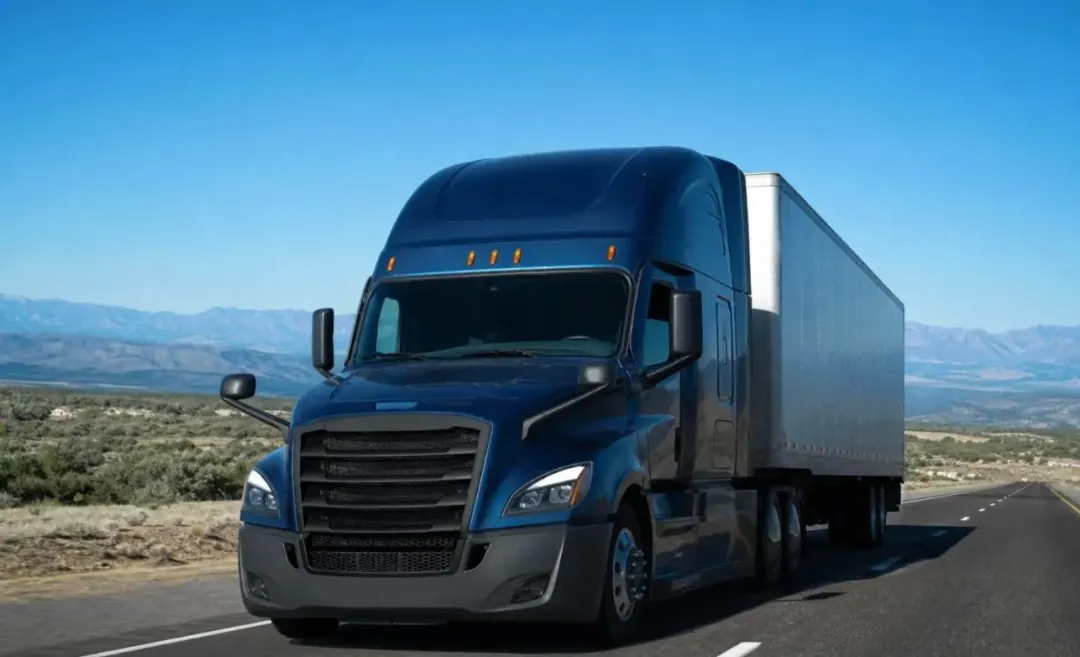
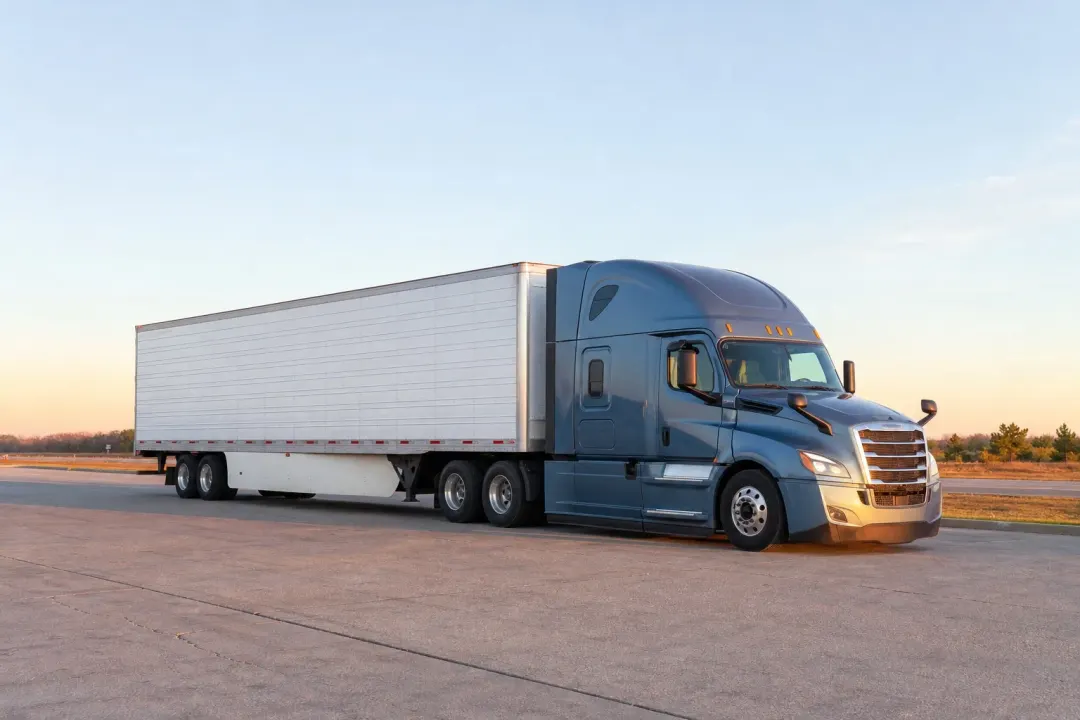
Dry van means an enclosed trailer with no temperature control. The freight is usually packaged goods, boxed product and palletized loads that do not need to be kept cold or heated.
What the day looks like
- No reefer unit to fuel, monitor or troubleshoot.
- Fewer things that can go wrong with the load itself once the doors are shut and sealed.
- Pre-trip is the one you already know: tires, brakes, lights, coupling, trailer doors and floor.
- Loading and unloading can still mean waiting at docks, so plan for it.
Who it suits
- Drivers who want a simpler routine.
- Owner operators new to running their own truck who want fewer moving parts.
- Anyone who likes the flexibility of a widely used trailer type.
Reefer: more attention, more detail
Reefer means a refrigerated trailer. The load has to stay in a set temperature range, and that responsibility rides with you from the shipper's dock to the receiver's.
What the day looks like
- Pre-cooling. The trailer usually needs to be at the right temperature before loading. Know how to set it up and confirm it.
- Temperature checks. You watch the setpoint and the actual reading on the unit during the trip, not just at the start. Many drivers build a habit of checking at every stop and fuel break.
- Paperwork. The bill of lading often lists the required temperature and sometimes the mode (continuous or cycle). Read it before you leave the dock.
- Reefer fuel. The unit runs on its own fuel, so add it to your fueling routine so it never runs low.
- Food-handling rules. Cleanliness and handling rules apply to many reefer loads. Check the official FDA and FSMA sources for the rules, and ask dispatch if a load has special requirements.
- Alarms. If the unit throws a fault, you need to know what to do and who to call right away.
Who it suits
- Drivers who like details and do not mind checking gauges often.
- Owner operators who are comfortable with a little mechanical troubleshooting.
- Anyone who wants to learn temperature-controlled freight and is willing to build the habits it takes.
Team: two drivers, one truck
The team opening is for owner operators who run the truck with a co-driver, on dry van or reefer. Everything above about the trailer still applies. What changes is how you live and work.
What the day looks like
- One person drives while the other rests, within hours-of-service rules. Review the official FMCSA hours-of-service rules for how that works for teams.
- The truck is both workplace and home for two people, so cleanliness, sleep schedules, and noise matter.
- Pre-trips, fueling, paperwork and inspections are shared. Agree up front who does what.
- Time off the road needs to be planned with your partner.
Things to talk through with a co-driver before you apply
- Who owns or leases the truck, and how will the two of you handle costs and decisions about it?
- How do you each sleep, and can you rest while the truck is moving?
- What are your home-time expectations?
- How will you handle disagreements on the road?
- Do you both meet the job requirements? Check the job page.
The offer lists the company as pet, rider and SAP friendly. If you plan to bring a pet or a rider, check the job page for details and policies.
Who it suits
- Two drivers who already work well together and trust each other.
- Owner operators who prefer long-haul schedules and want a truck that keeps moving.
- Partners who have talked honestly about money, rest and responsibilities.
A quick way to decide
Ask yourself:
- Do I want the simplest routine? Look at dry van.
- Do I like detail work and am I willing to monitor a trailer unit? Look at reefer.
- Do I have a partner I trust and want to keep one truck moving? Look at team.
Also think about your life off the road: home time, family, a pet, and how you handle long stretches away.
Next steps
Once you know which fits, open that job page on our website. Each one lists its own conditions and has its own apply form. Read the requirements, make sure your truck and CDL match, and then apply.
If you are still torn between two, apply for the one you would be happiest doing on a bad weather day. That is usually the right answer.